How Chiropractors Can Treat Different Types of Neck Pain
👤 Autor: Casey Palmer
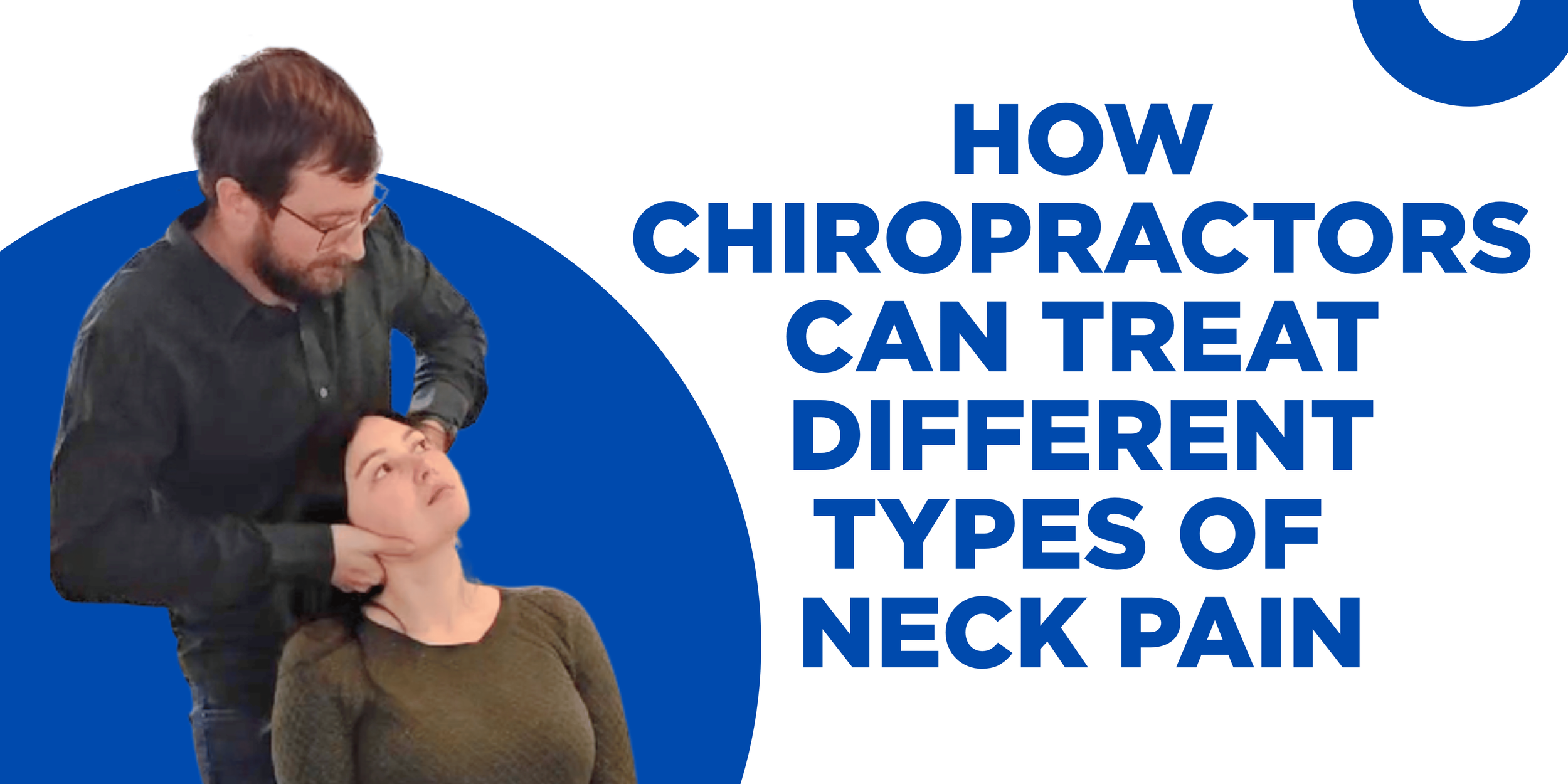
Can chiropractic care help with neck pain?
Neck pain is a common problem that can affect nearly every aspect of daily life, from working at a computer to driving, exercising, and getting a good night's sleep. Whether caused by poor posture, muscle tension, an injury, or age-related changes in the spine, neck pain can range from mild stiffness to persistent discomfort that interferes with everyday activities.
Chiropractic care may help people manage certain types of neck pain through hands-on treatment, targeted exercises, and personalized recommendations. Understanding the cause of the discomfort is an important first step toward finding the right treatment approach.

Neck pain does not affect everyone in the same way. Identifying its characteristics and potential cause helps healthcare providers determine the most appropriate course of care. Neck pain is complex in that there can be multiple types of neck pain.
Understanding the different types of neck pain
1. Muscle tension and posture-related neck pain
Spending hours looking at a computer, frequently checking a smartphone, or sitting with poor posture can place additional stress on the muscles and joints of the neck. This may lead to tightness, stiffness, headaches, and difficulty turning the head comfortably.
Chiropractors may address this type of discomfort with gentle spinal mobilization, soft-tissue techniques, and guided stretching. They can also recommend exercises to strengthen the neck and upper-back muscles, along with ergonomic adjustments to improve posture throughout the day.
Taking regular movement breaks and adjusting workstation height can help reduce recurring strain.
2. Acute neck pain and sudden stiffness
Acute neck pain develops suddenly and typically lasts less than six weeks. It may occur after sleeping in an awkward position, making an unfamiliar movement, or experiencing minor muscle strain.
Depending on the cause and severity, a chiropractor may recommend gentle mobilization, appropriate manual therapy, and gradual movement exercises to help improve comfort and range of motion.
The goal is to support recovery while avoiding unnecessary irritation. Not every case requires spinal manipulation, and treatment should be adjusted to the individual's symptoms and examination findings.
3. Chronic or persistent neck pain
Chronic neck pain lasts for 12 weeks or longer and may involve recurring stiffness, muscle discomfort, or reduced mobility. It can be associated with prolonged postural strain, previous injuries, or age-related changes.
For persistent symptoms, a combined treatment approach may be more useful than relying on a single technique. Chiropractors may incorporate spinal manipulation or mobilization, massage, strengthening exercises, stretching, and education about daily movement habits.
Research published in the Journal of Manipulative and Physiological Therapeutics supports combining manual therapies with exercise for certain cases of chronic neck pain. The appropriate treatment plan depends on the patient's diagnosis, goals, and response to care.
4. Neck pain that radiates into the shoulder or arm
Sometimes neck pain extends into the shoulder, arm, or hand. This may indicate irritation or compression of a cervical nerve, sometimes called cervical radiculopathy. Symptoms can include tingling, numbness, burning sensations, or weakness.
This type of neck pain requires careful assessment before treatment. A chiropractor may evaluate movement, sensation, strength, reflexes, and other signs to determine whether referral or additional testing is necessary.
If appropriate, conservative care may include carefully selected exercises, gentle mobilization, and strategies to improve function. Forceful neck manipulation is not suitable for every patient, particularly when neurological symptoms or certain underlying conditions are present.
Progressive weakness, significant numbness, or worsening symptoms warrant prompt medical evaluation.
5. Neck pain associated with headaches
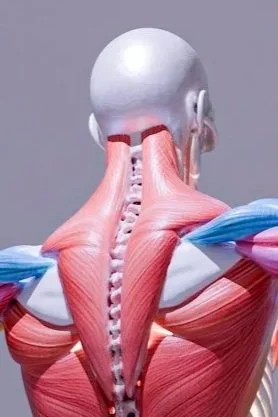
Some headaches originate from structures in the neck. Known as cervicogenic headaches, they may occur alongside neck stiffness, tenderness, or pain that spreads toward the back or side of the head.
After evaluating the symptoms and ruling out concerning causes, a chiropractor may use gentle manual therapy, neck mobility exercises, and strengthening techniques to address contributing musculoskeletal problems.
The National Center for Complementary and Integrative Health notes that spinal manipulation may help some people with cervicogenic headaches, although the strength of evidence varies. Headaches can have many causes, so an accurate assessment is essential before beginning treatment.
What happens during a chiropractic visit?
A chiropractic appointment generally begins with a discussion of symptoms, medical history, previous injuries, and daily activities. The chiropractor may then assess neck movement, posture, muscle tenderness, and neurological function.
Based on the findings, treatment may involve spinal manipulation, gentler mobilization, soft-tissue therapy, therapeutic exercises, and recommendations for home care. Progress should be reassessed regularly, with adjustments to the treatment plan when needed.
The best approach is individualized rather than based on a standard treatment routine.
When should you seek emergency medical attention?
Many cases of neck pain are related to muscles and joints, some require urgent medical assessment. Many of the reasons listed above are treatable through chiropractic care. That said, you should seek immediate emergency care for neck pain accompanied by:
sudden severe headache
facial drooping
difficulty speaking
dizziness with neurological symptom
fever
sudden weakness
neck pain following significant trauma
As these can be signs of severe medical emergencies.
Take a Personalized Approach to Neck Pain Relief
Different types of neck pain require different strategies. From posture-related muscle tension to persistent stiffness and nerve-related symptoms, chiropractic care may offer a conservative treatment option for appropriately selected patients.
A thorough assessment, evidence-informed treatment, and a commitment to exercises and healthier daily habits can help support better mobility and function. If neck pain persists, worsens, or includes concerning symptoms, consult an appropriate healthcare professional to determine the safest next steps.

Search website