How Chiropractic Care Can Help Relieve Sciatica
👤 Autor: Casey Palmer
Can chiropractic care help with sciatica?
Sciatica can be a painful and frustrating condition that affects your ability to work, exercise, sleep, and enjoy everyday activities. Whether you experience a sharp pain traveling down your leg, tingling in your foot, or persistent lower back discomfort, sciatica can significantly impact your quality of life. Fortunately, there are several treatment options available to help manage symptoms and improve mobility. Chiropractic care may be one option for people seeking a conservative, non-surgical approach to sciatica relief.
Understanding what causes sciatica and how chiropractic care may help can be an important first step toward feeling better.
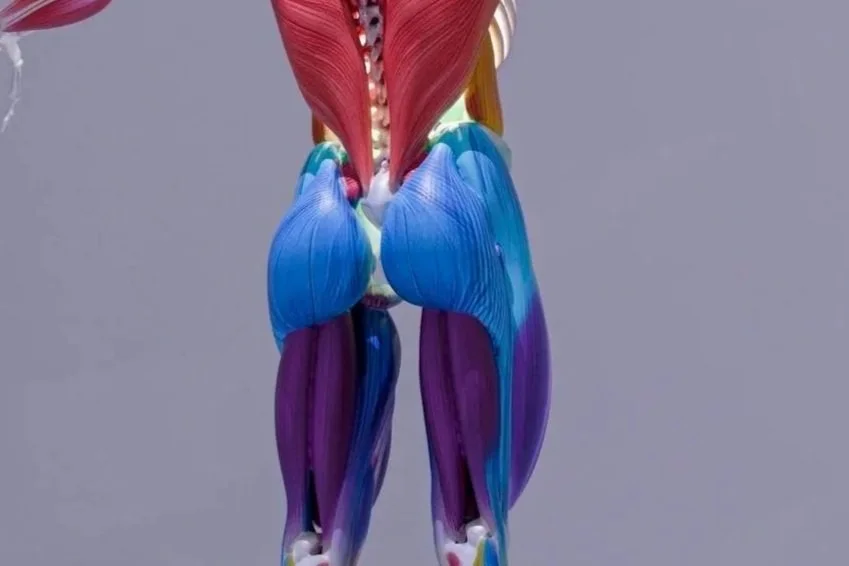
Sciatica refers to pain caused by irritation or compression of the sciatic nerve, which runs from the lower back through the hips and buttocks and down each leg. It is typically characterized by pain that travels from the lower back or buttock into one leg, although symptoms can vary from person to person.
What is sciatica?
Common symptoms of sciatica include:
Sharp, shooting, or burning pain in the lower back, buttock, or leg
Tingling or a pins-and-needles
sensation in the leg or footNumbness in certain areas of the leg
Muscle weakness affecting the leg
or footPain that worsens with prolonged sitting, coughing, or certain movements
Sciatica can develop for several reasons, including a herniated disc, age-related spinal changes, or narrowing of the spaces around the spinal nerves. Because different conditions can cause similar symptoms, an appropriate evaluation is essential to determine the underlying cause.
Who gets sciatica?

Anyone can get sciatica. However, there are a few factors that can increase your chances of sciatica:
Being aged 45-64
Higher weight
Smoking
Increased mental stress
If your occupation includes:
Strenuous physical activity
Constant lifting
Frequent driving
Equipment and machine operation
Piloting
One thing that’s important to be aware of is the fact that not all back pain is caused by sciatica. Sciatica is only the cause of about 5%-10% of back pain.
What causes sciatica?
About 90% of sciatica cases are caused by a herniated disc putting pressure on a nerve. This can often be caused by pregnancy or an injury.
Lumbar stenoses, bone spurs, spondylolisthesis, and tumors are a few other, far less common, causes of sciatica.

How can chiropractic care help with sciatica?
Chiropractic care focuses on assessing and treating conditions affecting the spine, joints, and musculoskeletal system. For some people with sciatica, chiropractic treatment may help reduce pain, improve movement, and support a return to normal daily activities.
1. Improving spinal mobility
Restricted movement in the lower back can contribute to discomfort and make everyday activities more difficult. Depending on the underlying cause of sciatica, a chiropractor may use gentle spinal mobilization or other appropriate manual techniques to improve mobility.
When clinically appropriate, spinal manipulation may also be considered as part of a broader treatment plan. These techniques aim to improve movement and reduce musculoskeletal pain, although results vary, and they do not necessarily remove pressure from an irritated nerve.
2. Reducing pain and muscle tension
Sciatica can cause surrounding muscles to tighten as the body responds to pain. This tension may contribute to stiffness and make it uncomfortable to sit, stand, or walk.
Chiropractors may use soft-tissue techniques, gentle mobilization, and other conservative approaches to help manage muscle tension and discomfort. Treatment is tailored to the individual's symptoms, physical condition, and tolerance.
3. Supporting better movement and flexibility
When sciatica makes movement painful, it is easy to become less active. However, prolonged inactivity can contribute to stiffness, reduced strength, and difficulty returning to normal routines.
A chiropractor may recommend appropriate stretches, mobility exercises, and gradual activity modifications to help improve flexibility and maintain function. Exercises should be selected carefully, since certain movements can aggravate symptoms depending on the cause of the nerve irritation.
4. Providing personalized lifestyle guidance
Every case of sciatica is different. Your daily habits, work environment, activity level, and posture may influence how your symptoms affect you.
Chiropractic visits may include guidance on lifting techniques, ergonomic adjustments, movement breaks, and ways to modify activities that trigger discomfort. A personalized plan can help you manage symptoms while gradually returning to your usual routine.
Is chiropractic care right for everyone with sciatica?
Chiropractic care may be appropriate for some people with sciatica, particularly when symptoms are related to musculoskeletal problems and serious underlying conditions have been ruled out.
A qualified healthcare professional, such as a chiropractor, can assess your symptoms, medical history, and physical function to help determine which treatments are appropriate. The key is identifying the cause of your symptoms and choosing an approach that meets your individual needs. Depending on your condition, care may include exercise-based physical therapy, or referral for further medical evaluation.
Chiropractic care can help some people manage pain, improve mobility, and regain confidence in their daily movements when used as part of an appropriate treatment plan.
Other doctors may be able to prescribe medication or surgery if symptoms are severe, persistent, or due to an underlying non-musculoskeletal problem.
Historically, 70-90% of sciatica cases are able to be improved without painful, invasive, or costly surgery.
Important: Seek emergency medical care if you develop new loss of bladder or bowel control, difficulty urinating, numbness around the groin or saddle area, or rapidly progressing leg weakness. These can be signs of a serious condition requiring urgent treatment.
Living with sciatica can make even simple activities feel challenging, but you do not have to navigate the discomfort without support.
Your next step for sciatica relief is to set up a thorough evaluation with Mulvane Chiropractor Casey Palmer. At your appointment, he’ll talk through suitable treatment options for your sciatica and provide guidance on staying active safely. Together, you can take meaningful steps toward better comfort and function.
If you are experiencing sciatic nerve pain, consider scheduling an appointment with your local chiropractor to discus symptoms and the treatment options available to you.
The right care plan can help you work toward moving more comfortably and getting back to the activities you enjoy!
Take the first step towards sciatica relief

Search website